RACB Motor
Choosing the right Custom Gear Motor is crucial for optimizing performance in various applications. Industry reports suggest that the custom gear motor market is projected to grow significantly, with a projected CAGR of 6.5% from 2021 to 2028. This growth highlights the increasing demand for tailored solutions to meet specific operational needs.
Expert John Smith, a leading figure in the gear motor industry, stated, “Understanding the unique requirements of your application is key to selecting the right gear motor.” His insights emphasize the importance of careful consideration when choosing a custom gear motor. Factors such as load, speed, and environmental conditions need to be evaluated.
When selecting a custom gear motor, users often overlook critical details. Not every solution will fit all applications. Surveys indicate that nearly 30% of buyers regret their initial choice, citing compatibility issues. This underscores the necessity of thorough research. Evaluating your needs thoroughly can prevent costly mistakes and improve efficiency in the long run.
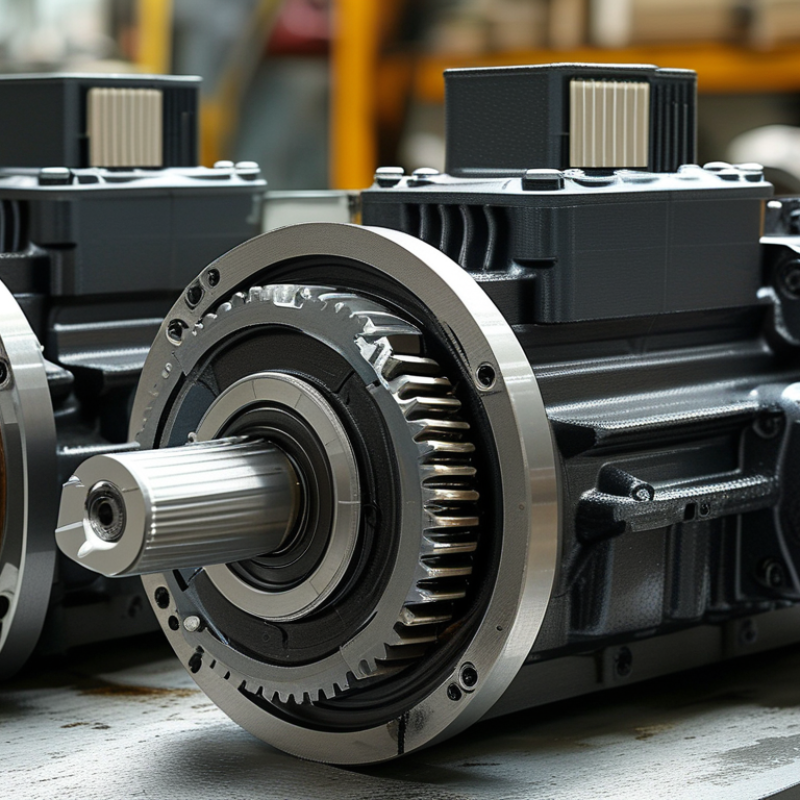
When exploring custom gear motors, understanding key specifications is essential. These motors are not one-size-fits-all. Variations in torque, speed, and size define their performance. Knowing how these factors interrelate can guide you to the right choice. For instance, higher torque is crucial for heavy loads but may reduce speed. Every application has unique demands, and aligning those with the motor's capabilities is vital.
Terminology matters in this field. Gear ratio, for example, determines the input-to-output speed relationship. A higher ratio means more torque but less speed. This can impact the overall efficiency of your system. Additionally, consider the mounting options. Not all gear motors fit easily into existing designs. Understanding how to read specifications can prevent costly mistakes.
Even with the right knowledge, sometimes a custom motor can fall short of expectations. Miscalculations in load requirements or environmental factors can lead to underperformance. It’s important to assess not only the specs but also how they match real-world conditions. Gathering insights from experts can clarify these aspects and prevent oversights in your decision-making process.
Choosing the right gear motor starts with understanding your load requirements. Calculating torque and speed needs is essential for optimizing performance. Torque refers to the rotational force produced by the motor, which directly affects its ability to move loads efficiently. Begin by identifying the maximum weight your application will bear. This can help determine the torque needed.
Speed is another vital factor. It affects how quickly your application can perform tasks. A mismatch between speed and torque can lead to inefficiencies. For instance, a motor with high speed but low torque may struggle with heavy loads. On the other hand, a motor with high torque but low speed may not meet responsiveness needs.
Real-life applications often reveal complexities. Load variations, for example, can impact your calculations. An accurate assessment might involve testing different scenarios to find the best fit. It is not always straightforward. Engineers sometimes redesign their approaches based on trial and error. Understanding these variables can lead to more reliable motor selections, but it requires patience and reflection.
Choosing the right gear motor is crucial for your project's success. When evaluating motor types, you often face a choice between AC and DC gear motors. Each type has unique advantages and applications.
AC gear motors are typically used in industrial settings. They provide consistent torque and are efficient for high-performance tasks. For continuous operation, AC motors excel. However, they can be bulky and require specific wiring setups. Consider these factors when deciding on your motor choice.
DC gear motors, on the other hand, are popular in smaller applications. They are lightweight and easy to control. Flexibility in speed regulation can be a significant advantage. However, they may have limitations in terms of torque over extended use. Ensure you assess your project's specific power requirements.
Understanding the environment can also guide your choice. Harsh conditions may demand a more robust AC motor. If space is limited, a compact DC motor might work better. Evaluate each application carefully, keeping in mind the specific needs and constraints.
Evaluating motor efficiency is crucial when selecting a custom gear motor. The efficiency rating impacts energy consumption, operational costs, and overall performance. A high-efficiency motor can significantly reduce energy bills in the long run. However, it’s not just about the numbers. Understanding how these ratings affect your specific application is equally important.
When assessing motor efficiency, consider the application's demands. A motor that performs well in one scenario may not be suitable for another. For instance, a higher efficiency might come with increased cost. It's essential to balance cost and performance. Sometimes, a slightly less efficient motor might be more reliable in specific environments.
Another point to reflect on is the relationship between efficiency and heat generation. A high-efficiency motor tends to produce less heat. This can lead to longer lifespans and reduced maintenance costs. However, overlooked factors play a role. An efficient motor might require more complex control systems, adding to initial setup challenges. Making informed decisions involves weighing these factors carefully.
When selecting a custom gear motor, budget considerations are paramount. Custom solutions often come with various costs, ranging from design fees to material expenses. It's crucial to assess the entire production process. Each decision impacts the total cost. Quality components may lead to higher upfront costs, but they often provide better long-term reliability.
Analyzing costs requires a focus on specific features. For instance, gear ratios, torque, and size can all influence prices. A precise requirement can help avoid overspending. Some users may lean towards cheaper options initially, only to face higher maintenance costs later. Identifying the true value of a custom gear motor often demands a careful balancing act.
It's also essential to plan for unexpected expenses. Changes in design or additional features can derail budget projections. Keeping a flexible mindset during this process can prove beneficial. Regular reviews of your budget against the project’s needs will allow for better financial control. In the end, understanding the cost-benefit ratio is key to making an informed decision.
: Torque, speed, and size are key factors. Each motor has unique specifications for various applications.
Gear ratio determines input-to-output speed. A higher ratio means more torque but less speed, impacting efficiency.
Load requirements influence torque and speed calculations. Misjudging these can lead to inefficiencies in motor performance.
Efficiency ratings vary by application, and a motor that works well in one scenario may not in another.
High-efficiency motors reduce energy consumption, leading to lower long-term energy bills, but come at a potential higher upfront cost.
Yes, load variations and environmental factors can impact calculations, requiring testing different scenarios for optimal results.
Miscalculating load or ignoring environmental conditions can lead to underperformance and costly errors.
More efficient motors typically produce less heat, which can extend their lifespan and reduce maintenance needs.
Sometimes, a slightly less efficient motor can offer more reliability in specific conditions, balancing cost and performance.
It is crucial to think about how specifications align with real-world demands and possible trade-offs regarding performance and costs.
Choosing the best Custom Gear Motor requires a thorough understanding of key specifications and terminology associated with gear motors. Start by assessing your load requirements, calculating both torque and speed needs to ensure optimal performance for your application. When selecting the motor type, distinguish between AC and DC gear motors, as each serves different usage scenarios effectively.
Additionally, evaluating efficiency ratings is crucial, as a more efficient motor can lead to cost savings over time. Finally, consider your budget by analyzing the overall cost of custom gear motor solutions, including potential long-term benefits. By carefully addressing these factors, you can ensure that you select the most appropriate Custom Gear Motor to meet your specific needs.
