RACB Motor
High torque motors play a crucial role in various industries, driving advancements in robotics, automotive, and manufacturing. Dr. Emily Tran, a leading expert in electric motor technology, once stated, "Choosing the right high torque motor can dramatically enhance performance and efficiency." Her insight reflects the importance of understanding these motors' capabilities.
The demand for high torque motors continues to rise. Industries seek efficient and reliable solutions to power their operations. These motors provide the necessary force for heavy loads while maintaining speed and precision. However, not all high torque motors are created equal.
When selecting a high torque motor, stakeholders must consider various factors. Efficiency, durability, and application requirements should drive the decision-making process. Motor technology is evolving rapidly, leading to both opportunities and challenges for users. With the right knowledge, companies can maximize their performance and stay ahead in a competitive market.
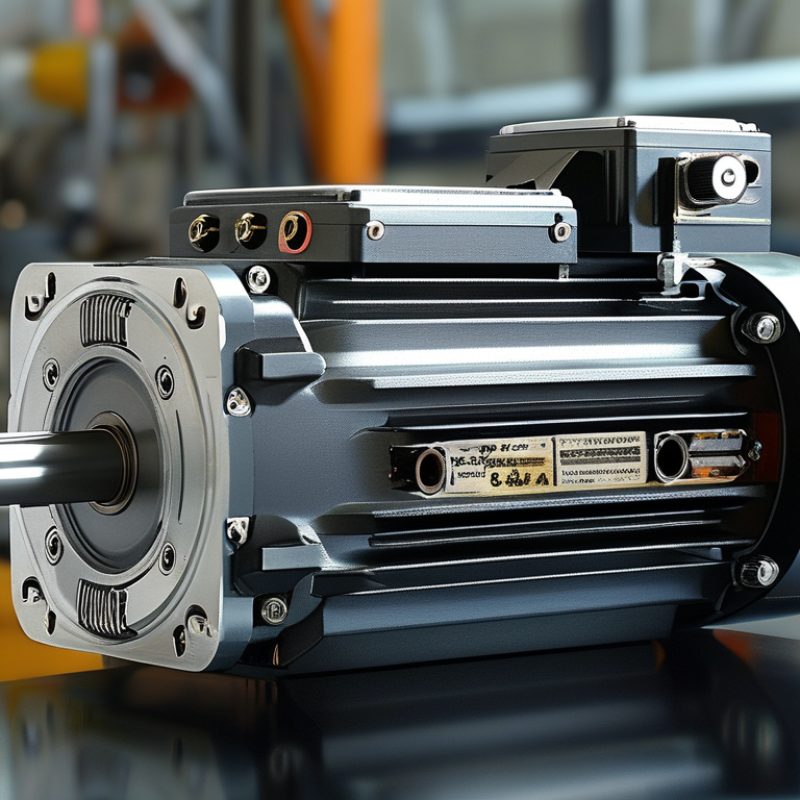
High torque motors are crucial in various applications. Their ability to produce significant rotational force makes them ideal for heavy-duty tasks. Understanding their principles of operation helps in selecting the right motor for specific needs. These motors typically use electromagnetic principles to generate torque. A stator and rotor work in tandem to create magnetic fields, resulting in powerful rotations.
The efficiency of high torque motors comes from their design. Many utilize multiple winding configurations to enhance performance. However, not all designs are perfect. Overheating can occur in poorly ventilated systems. Additionally, the complexity of some motors can lead to maintenance challenges. Simple errors in setup can affect their performance significantly. It’s essential to regularly monitor and assess them to ensure reliability.
Selecting a high torque motor also requires consideration of load conditions. Different applications may call for varying torque profiles and speed ranges. Encouraging thorough research is vital. Knowledge of the operational environment, such as temperature and humidity, impacts their efficiency. Understanding these factors can help prevent operational failures.
High torque motors are essential in various applications. Their ability to deliver significant power at lower speeds makes them popular in industrial settings. These motors excel in tasks requiring high starting torque, such as lifting heavy loads or driving machinery. According to a report from the International Journal of Advanced Research in Electrical, Electronics, and Instrumentation Engineering, high torque motors can enhance performance efficiency by as much as 30% compared to standard motors.
Key characteristics define these motors. A high torque motor typically features a robust construction, allowing it to withstand challenging conditions. The winding design plays a crucial role, affecting the torque output. Furthermore, efficient cooling mechanisms prevent overheating during operation, ensuring longevity. Research indicates that motors with optimized magnetic circuits can achieve up to 90% efficiency, minimizing energy waste.
However, not all high torque motors are the same. Selection errors can occur if the application requirements are not assessed correctly. Factors such as load type, duty cycle, and control method must be carefully evaluated. Seeking expertise in motor applications is vital for achieving optimal performance. A comprehensive understanding of these characteristics can guide better decisions in motor selection and implementation.
High torque motors play a crucial role in various industries, ensuring efficient and reliable performance. These motors are widely used in applications requiring substantial starting torque and sustained force. For instance, manufacturing assembly lines often rely on high torque motors to manage heavy machinery. The ability to start under load is essential in these environments. According to a recent industry report, high torque applications account for approximately 30% of the global electric motor market.
Another significant application is in the automotive sector. High torque motors are essential for electric vehicles and hybrid systems, providing the necessary power for instant acceleration. Reports indicate that these motors improve efficiency by up to 20% compared to standard motors. Additionally, they are prevalent in robotics and automation, where precise movements and heavy lifting are required. The demand for high torque solutions has spurred innovation, yet some challenges remain. Manufacturers must address heat dissipation and wear over time, which can impact performance. Understanding these variables is crucial for optimizing designs and applications.
High torque motors are pivotal in various applications, from industrial machinery to electric vehicles. With growing demands for efficiency, identifying the right motor is crucial. A comparative review of the top ten high torque motors reveals significant differences in performance metrics. Notably, torque density and thermal management are essential aspects. According to industry reports, motors with higher torque densities tend to reduce energy consumption by up to 30% compared to their counterparts.
When examining torque ratings, it’s vital to consider operational conditions. The environment can influence motor performance. A motor that operates efficiently in one scenario may falter in another. For instance, some high torque motors struggle with heat dissipation. Proper cooling strategies are essential for maintaining optimal performance. Regular thermal assessments can prevent failures and prolong motor life.
**Tips:** Always analyze torque-to-weight ratios when selecting a motor. Higher ratios offer enhanced performance without adding unnecessary bulk. It’s also wise to consult technical reports for specific applications. Engage with professionals who can provide insights tailored to your needs. By understanding these factors, you can make informed choices that lead to efficient and effective performance.
Selecting a high torque motor requires careful consideration of several crucial factors. First, assess the application needs. Different applications demand varying torque levels and speed characteristics. For instance, robotics applications often require precise control. Industrial machines may prioritize raw torque output over speed. This clarity will guide your choice effectively.
Next, evaluate the motor specifications. The torque rating is critical, but pay attention to the RPM range as well. High torque at low RPM is often desirable for heavy machinery. Lack of attention to these details can lead to motor inefficiency. Additionally, consider the power source. Motors can operate on AC or DC power, influencing performance and availability.
Material quality within motor construction matters too. High-quality materials increase reliability and longevity. Yet, some users overlook this and face frequent maintenance issues. It’s also wise to think about the environment in which the motor operates. Harsh conditions can affect performance. Failing to factor in environmental influences can lead to poor motor selection. Always reflect on these elements to ensure optimal performance.
This chart displays the torque values (in Nm) of the top 10 high torque motors to assist in evaluating their efficiency and performance. Each motor's torque output is critical in determining its suitability for various applications.
: High torque motors are used in manufacturing assembly lines and heavy machinery for substantial starting torque.
They provide instant acceleration and improve efficiency by up to 20% compared to standard motors.
Manufacturers need to manage heat dissipation and wear over time, as these factors affect performance.
Higher torque densities can reduce energy consumption by up to 30%, increasing overall efficiency.
Motors may perform well in one scenario but struggle in another, depending on operational conditions.
Analyzing torque-to-weight ratios is vital for enhanced performance without excessive bulk.
Effective cooling can maintain performance levels and prevent failures, ultimately extending the motor's lifespan.
Technical reports provide insights specific to applications, aiding in informed decision-making.
Regular thermal assessments are essential to prevent failures and ensure optimal motor operation.
It's important to consider the environmental conditions under which the motor will operate.
High torque motors are essential devices characterized by their ability to generate significant rotational force, making them crucial in various industrial applications. These motors operate based on fundamental principles of electromagnetism, where the interaction between magnetic fields and electric currents creates torque. Key characteristics include high efficiency, robust construction, and the capability to handle varying load conditions.
The applications for high torque motors span from robotics and automation to heavy machinery and transportation systems, where reliable and efficient performance is critical. When selecting an appropriate high torque motor, it's important to consider factors such as size, power requirements, and the specific demands of the application. A comparative review of the top 10 high torque motors can provide valuable insights into the best options available, ensuring that users make an informed decision to meet their operational needs.